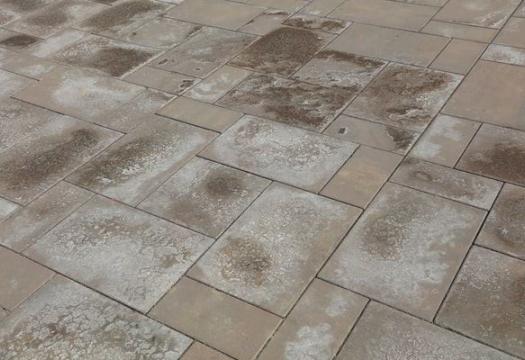
Winter means snow, slush and ice in many regions of the country. Unfortunately, the salt products that people use to keep themselves from skidding and falling all over driveways, parking lots and sidewalks can cause lasting damage to different types of flooring. That’s the bad news. The good news is that we have a few pointers on how to get rid of salt on hardwood floors and removing salt stains from carpet or tile.
The salt used to tackle winter’s snowfalls can scratch your floor’s finish and damage the actual material it's made from. Therefore, the sooner you can clean salt on hardwood floors and tile, the better.
Note: This method should never be used on stone floors as vinegar can cause permanent etching on these surfaces. And regardless of what material your floor is made of, it’s always a good idea to do a spot test on a small, inconspicuous area.
You’ll need:
- 1/3 cup of distilled white vinegar
- 1 gallon of water
- A spray bottle
- A vacuum cleaner
- A microfiber mop (This is important because mops made of less gentle materials could damage your floor while pushing salt around.)
- Microfiber cloths
- A towel
Step-by-Step Instructions
-
1Step 1Vacuum
Make sure the floor is dry and start by vacuuming as much of the salt as you can.
-
2Step 2Spritz with vinegar & water
Mix the vinegar and water. Pour this into the spray bottle. Lightly spritz the mixture over the salt on your hardwood floors or tile. Take care not to saturate wooden floors, as too much vinegar or moisture could cause permanent damage.
-
3Step 3Mop
Let the solution sit for about five minutes, then mop the area dry.
-
4Step 4Wipe with microfiber cloth
Dampen a clean microfiber cloth. Use this to wipe the floor down once more to remove any last bits of salt.
-
5Step 5Dry
Wipe the area dry with a towel or fresh microfiber cloth.